
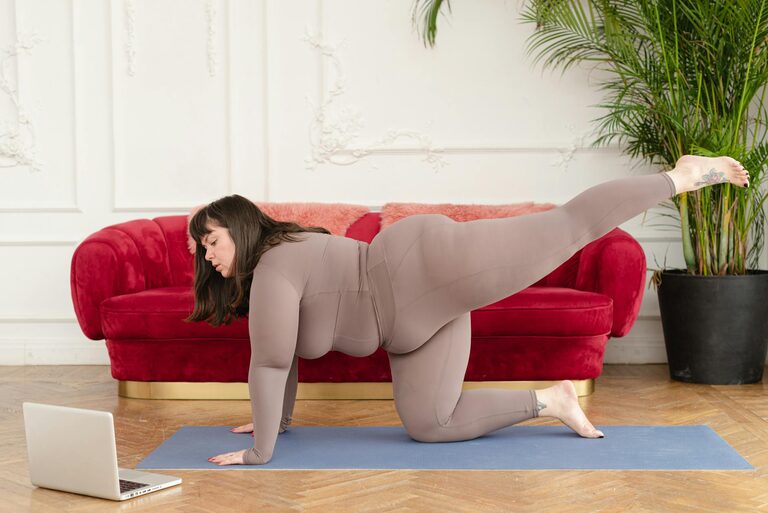
Stretching is a simple yet powerful way to improve your flexibility, reduce muscle tension, and boost your overall well-being. You don’t need a gym or fancy equipment to start—a few minutes of stretching at home can make a big difference. If you’re new to stretching, this beginner’s guide will help you understand the basics and get started safely and effectively.
Why Stretch at Home?
Stretching offers many benefits that anyone can enjoy, regardless of age or fitness level. Some of the key benefits include:
– Improved flexibility: Helps your muscles and joints move more freely.
– Reduced muscle tension: Eases stiffness and soreness after sitting or physical activities.
– Better posture: Lengthening tight muscles supports good alignment.
– Injury prevention: Prepares your body for movement and reduces the risk of strains.
– Stress relief: Stretching encourages relaxation and can calm the mind.
By practicing at home, you control your schedule and create a comfortable, private environment. Plus, regular stretching doesn’t require much time or equipment, making it easy to fit into your daily routine.
Getting Started: What You Need
Before you begin, take a moment to set up a safe and comfortable space:
– Choose a quiet spot: Find a flat surface with enough room to move freely.
– Wear comfortable clothing: Opt for loose or stretchy attire that won’t restrict movement.
– Use a mat or towel: This provides cushioning, especially if stretching on a hard floor.
– Stay hydrated: Drink water before and after stretching to keep muscles hydrated.
No special gear is required, but if you want, you can use props like yoga blocks or straps to assist with stretches.
Stretching Basics: Tips for Beginners
To make the most of your stretching routine, keep these important tips in mind:
– Warm up first: Stretching cold muscles can cause injury. Try 5 minutes of light activity like walking or marching in place before stretching.
– Move slowly: Ease into each stretch gently. Avoid bouncing or forcing your body.
– Hold steady: Aim for 15 to 30 seconds in each stretch to feel the muscle lengthen.
– Breathe deeply: Inhale and exhale slowly to help your muscles relax.
– Listen to your body: Stretch to the point of mild tension, not pain. Stop if you feel sharp discomfort.
– Be consistent: Stretch regularly, ideally daily or at least a few times a week, for best results.
Basic Stretching Exercises for Beginners
Here are some simple stretches you can try to target major muscle groups. Remember to do each side equally and repeat 2-3 times if you like.
1. Neck Stretch
– Sit or stand with your back straight.
– Slowly tilt your head to one side, bringing your ear toward your shoulder.
– Hold for 20 seconds, feeling the stretch along the side of your neck.
– Repeat on the other side.
2. Shoulder Stretch
– Bring one arm across your chest.
– Use the opposite hand to gently pull the arm closer to your chest.
– Hold for 20 seconds.
– Switch arms.
3. Chest Stretch
– Stand tall and clasp your hands behind your back.
– Straighten your arms and gently lift your chest, squeezing your shoulder blades together.
– Hold for 20 seconds.
4. Upper Back Stretch
– Clasp your hands in front of you at shoulder height.
– Push your hands forward, rounding your upper back and tucking your chin slightly.
– Hold for 20 seconds.
5. Seated Hamstring Stretch
– Sit on the floor with one leg extended straight.
– Bend the other leg so the sole of your foot rests against your inner thigh.
– Reach toward the toes of your extended leg, keeping your back straight.
– Hold for 20 seconds.
– Switch legs.
6. Quadriceps Stretch
– Stand near a wall or sturdy surface for balance.
– Bend one knee and bring your heel toward your buttocks.
– Hold your ankle with your hand and gently pull.
– Keep your knees close together.
– Hold for 20 seconds.
– Change legs.
7. Calf Stretch
– Stand facing a wall.
– Place your hands on the wall at shoulder height.
– Step one foot back, keeping the heel on the floor and the leg straight.
– Lean forward slightly to stretch the calf.
– Hold for 20 seconds.
– Switch legs.
Creating Your Stretching Routine
Starting with just 10-15 minutes per day can be very effective. Here’s a simple sample routine for beginners:
- Warm up with light movement (5 minutes)
- Neck stretch (20 seconds each side)
- Shoulder stretch (20 seconds each side)
- Chest stretch (20 seconds)
- Upper back stretch (20 seconds)
- Hamstring stretch (20 seconds each leg)
- Quadriceps stretch (20 seconds each leg)
- Calf stretch (20 seconds each leg)
Repeat any stretches if you wish or add more based on what your body needs.
Staying Motivated
Building a new habit like stretching can take time, but these tips may help:
– Set a regular time, like morning or before bed.
– Use reminders on your phone or calendar.
– Combine stretching with activities you enjoy, such as listening to music or podcasts.
– Celebrate small progress, like improved flexibility or reduced stiffness.
– Join online stretching or yoga communities for support and ideas.
When to Be Cautious
While stretching is generally safe, be mindful if you have any medical conditions or injuries. Consult a healthcare professional if you:
– Experience sharp or worsening pain during stretching.
– Have recent surgery or injury.
– Have chronic conditions affecting muscles or joints.
Always prioritize safety and comfort.
—
Stretching at home is a rewarding practice that improves your body and mind. With this beginner’s guide, you can start a gentle routine that fits your lifestyle and feels great. Remember, the key is consistency and listening to your body. Happy stretching!